Contact us
 Visit CPRE.org
 Donate
What makes hedgerows so important?

According to The Soil Association, over the last fifty years, fifty percent of hedgerows have been lost in the UK due to mass mechanisation of farming following the war.
As CPRE Cheshire have recently announced that we have been successful in our funding bid for ‘Hedgerow Heroes’, a project that will restore hedgerows throughout Cheshire, we thought it was only fitting to explain why hedgerow is so important to our ecosystem.
Benefits for the planet
Hedgerows are known for their ability to absorb carbon dioxide from the atmosphere and water from the soil and to convert these into glucose and oxygen. Through this, it stands to reason that hedgerows will play a massive part in the UK’s target of net-zero carbon emissions by 2050.
Hedgerow planting also goes towards reforestation efforts, at a time when the world is chopping down trees quicker than it can plant them. Healthier soils produced by a more varied ecosystem of hedgerow hold more carbon also – meaning even fewer greenhouse gases going into the atmosphere.
Benefits for the soil
Alongside creating a more varied ecosystem, enabling the soil to store more carbon, establishing hedgerows means less risk of droughts or flooding.
This is because the hedgerow acts as a ‘permeable barrier’ that intercepts flood, slowing down the flow of water and helping excess moisture drain into the soil. This can be particularly important to the UK’s farmland, where during heavy rainfall nutrient rich soil can be washed away. The process also means fewer pollutants are able to reach watercourses.
The deep root structures of hedges and trees also stabilise the soil, meaning it is less likely to be blown away in dry conditions. Through the ability of the soil to filter effectively and the root system to protect against movement, hedgerows can also delay flood peaks.
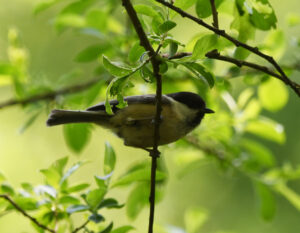
Benefits for Wildlife
Many different species of animal live and feed from hedgerow including but not limited to: harvest mice, foraging bats, roosting birds, hedgehogs and bank voles. Invertebrates such as butterflies, beetles and bees also rest and eat within hedgerows. Alongside this, other creatures such as lizards and goat moths, use the leafy canopies for shelter and food.
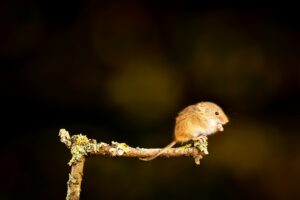
As well as providing shelter through the flowers, berries and nuts that hedgerow can provide, hedges help species move from one habitat to another more safely than if they were exposed. For example, the rare Hazel Dormouse would struggle to cross large open fields without protection from hedgerow.
Hedgerows can provide shelter both from predators and from the elements in harsh weather conditions. This means they directly affect survival rates and growth rates of various species. Furthermore, by supporting pollinators, hedgerows play a massive role in the overall ecosystem of our planet.
Types of hedgerow
The Woodland Trust explains “Rural hedges are often a mix of shrub and tree species, such as hawthorn, blackthorn, hazel, ash and oak. In more urban and landscaped settings, they are likely to include species like box, yew, privet and holly.”
Whilst the types of trees used in our Hedgerow Heroes project haven’t been confirmed as yet, we will use appropriate species such as hawthorn, blackthorn, hazel and dog rose. Hawthorn for example, grows very dense and is a good home for hedgehogs, birds and toads. These trees also produce berries that are eaten by thrushes and blackbirds.
If you are planting small hedges in your garden at home to encourage wildlife, having hedges that vary in character and length is useful in attracting different kinds of wildlife. And don’t tidy too much as dead leaves can provide a handy home for insects. Be sure not to trim in winter and never in nesting season – which falls between March and August.

Being mindful
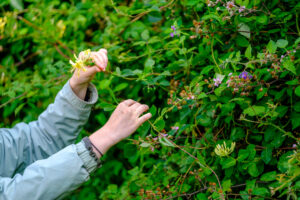
Whilst hedgerows can provide nourishment for animals and humans alike, it is important to be mindful when foraging. Pick sparingly and don’t take too much food from one hedge. This prevents animals and insects who may use the hedge as their main food source going hungry.
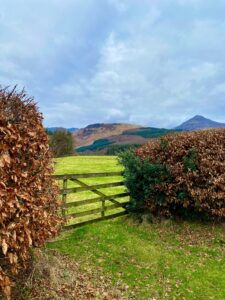
There are half a million miles of hedgerow in the UK; however numbers have been declining rapidly within the last century. In England and Wales some hedges are protected by law if they meet the criteria, but hedges in Scotland and Northern Ireland still continue to have no protection. We need to appreciate and protect our hedgerows now more than ever.